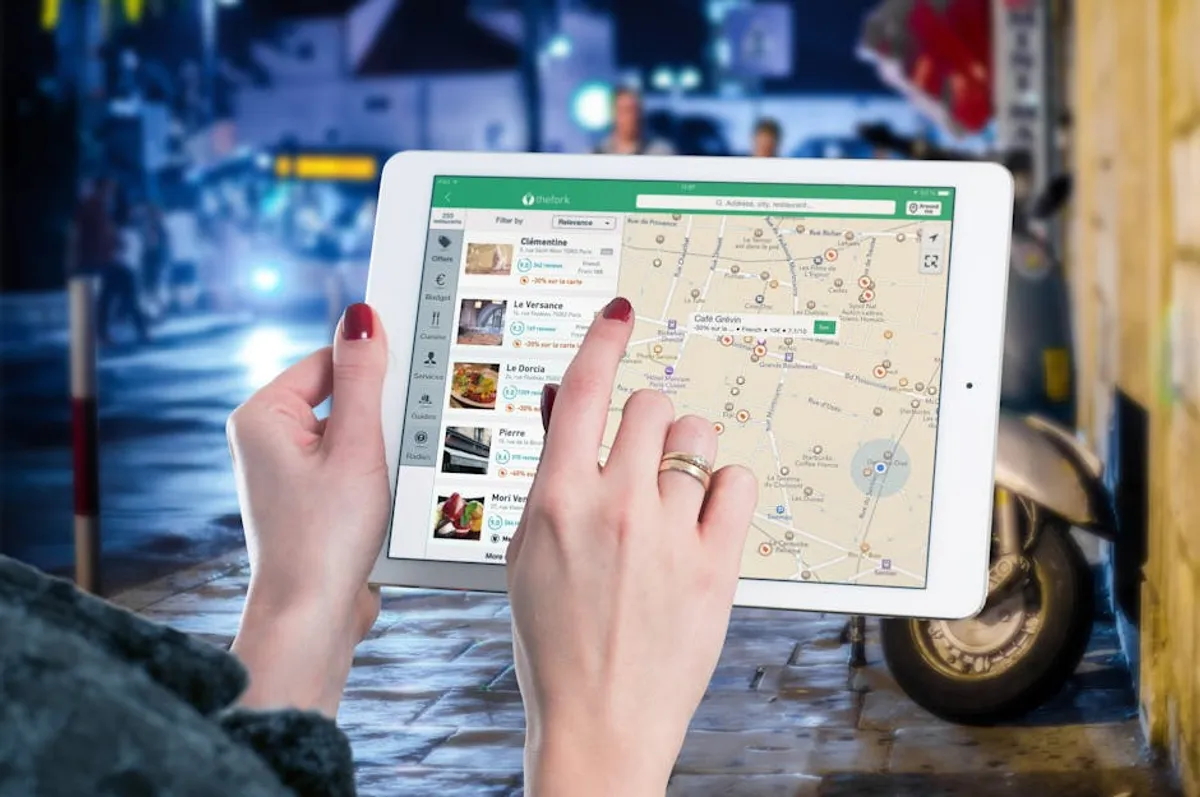
For any local business, visibility in Google's Map Pack is a direct pipeline to customer engagement. This prominent search result feature, displayed above organic listings for location-specific queries, drives calls, website visits, and physical store directions. Effectively tracking your Map Pack performance isn't merely about checking a ranking; it's about understanding customer behavior, identifying growth opportunities, and defending your local market share. Without systematic monitoring, businesses operate blind, unable to quantify the return on their local SEO efforts or adapt to competitive shifts.
Understanding Map Pack Ranking Signals
Google's algorithm for local search prioritizes three core factors when determining Map Pack visibility and ranking. Grasping these signals is fundamental to knowing what to optimize for and, consequently, what to track.
- Proximity: How close the business is to the searcher's location or the location specified in the query. While you can't change your physical address, you can ensure your Google Business Profile (GBP) accurately reflects it.
- Relevance: How well your business profile matches the user's search query. This involves comprehensive and accurate GBP information, including categories, services, and product descriptions that align with what potential customers are searching for.
- Prominence: How well-known and authoritative your business is. This is influenced by factors like the quantity and quality of online reviews, local citation consistency, local link building, and overall organic web ranking.
Tracking Map Pack performance means measuring your business's standing across these dimensions and identifying areas for improvement.
Key Metrics for Evaluating Map Pack Success
Effective tracking goes beyond a single ranking number. A holistic view requires monitoring several interconnected metrics:
Visibility and Ranking Position
This is the most direct indicator of your Map Pack presence. For your target keywords and service areas, monitor your business's position within the 3-pack. Fluctuations here can signal algorithm updates, competitive activity, or the impact of your own optimization efforts.
Google Business Profile Insights
Your GBP dashboard provides invaluable first-party data directly from Google:
- Search Queries: See the exact terms users searched for to find your business. This informs keyword strategy.
- Views: Track how many times your business profile appeared in search results (direct, discovery, branded).
- Customer Actions: Monitor clicks to your website, requests for directions, and direct phone calls. These are direct conversions from Map Pack visibility.
Analyzing these actions over time reveals which aspects of your GBP are most effective and where user drop-off might occur.
Reviews and Ratings
The volume, velocity, and sentiment of customer reviews directly impact your prominence. Track:
- Average Star Rating: A higher average rating generally correlates with better Map Pack performance.
- Number of Reviews: Consistent new reviews signal an active, reputable business.
- Review Sentiment: Analyze keywords and themes within reviews to understand customer satisfaction and identify service gaps.
Pro Tip: Implement a consistent process for requesting and responding to reviews. Actively engaging with both positive and negative feedback not only improves your prominence but also signals to Google that your business is attentive and customer-focused. Generic, templated responses are less effective; personalize them where possible.
Methods for Tracking Map Pack Performance
Manual Spot Checks
For a quick, localized view, perform searches on a mobile device or desktop in incognito mode, ensuring location services are enabled or manually set to your target service area. Search for your primary keywords and note your business's position. While useful for immediate checks, this method is not scalable or precise for long-term trend analysis.
Leveraging Local SEO Tracking Platforms
Dedicated local SEO platforms are designed for systematic Map Pack monitoring. These tools typically offer:
- Automated Rank Tracking: Monitor your business's Map Pack position for a specified list of keywords across multiple geographic points and devices (desktop/mobile).
- Competitor Monitoring: Track the Map Pack performance of your direct competitors for the same keyword sets.
- Reporting: Generate detailed reports showing historical performance, trends, and comparisons.
- GBP Integration: Some platforms can pull and visualize data directly from your Google Business Profile Insights.
Best for: Agencies, multi-location businesses, or businesses with extensive keyword and location targets requiring automated, granular data collection.
Google Business Profile Interface
Regularly log into your Google Business Profile to access the "Insights" section. This provides official data on how customers find your business and what actions they take. While not a ranking tracker, it’s the definitive source for engagement metrics.
Optimizing Based on Performance Data
Tracking data is only valuable if it informs action. Here’s how to translate insights into improvements:
- If visibility/rankings drop: Review recent GBP changes, check for new negative reviews, or analyze competitor activity. Ensure your GBP categories and services are accurate and comprehensive.
- If impressions are high but clicks are low: Your listing is appearing, but not compelling users. Focus on enhancing your GBP photos, business description, and ensuring your primary call to action (e.g., website link, phone number) is prominent and accurate.
- If customer actions (calls, directions) are low: Examine your business hours, ensure your phone number is correct, and confirm your location pin is precise on the map. Consider adding more service descriptions to attract specific queries.
- If review sentiment is negative: Address specific issues raised in reviews, update your services, or train staff to improve customer experience. Actively solicit new, positive reviews to dilute the impact of negative ones.
Actionable Steps for Continuous Improvement
Sustained Map Pack performance relies on an iterative cycle of monitoring, analysis, and optimization:
- Regularly Audit Your Google Business Profile: Ensure all information is current, accurate, and fully optimized. This includes business hours, services, photos, and Q&A.
- Cultivate Reviews: Implement a strategy to consistently generate new, authentic customer reviews. Respond promptly and professionally to all feedback.
- Monitor Competitors: Understand who is performing well in your local Map Pack and analyze their GBP strategy, review profile, and local citation patterns.
- Track Key Metrics Consistently: Use a chosen method (manual checks, local SEO platforms, GBP Insights) to monitor rankings, impressions, and customer actions over time.
- Refine Keyword Strategy: Use GBP search query data to identify new relevant keywords and ensure your profile is optimized for them.
- Build Local Citations and Links: Ensure your business information is consistent across all online directories and work on acquiring local backlinks to enhance prominence.
By treating Map Pack performance as an ongoing project, businesses can maintain a strong local presence and consistently attract high-intent local customers.
Frequently Asked Questions
How often should I track my Map Pack performance?
For most businesses, weekly or bi-weekly tracking is sufficient to identify trends and react to significant changes. Daily tracking may be necessary during active optimization campaigns or in highly competitive markets.
What if my Map Pack rankings suddenly drop?
First, check your Google Business Profile for any changes, suspensions, or new negative reviews. Next, analyze recent algorithm updates or increased competitive activity in your service area. Review your primary ranking factors (proximity, relevance, prominence) for any degradation.
Can I track competitor Map Pack performance?
Yes, many local SEO tracking platforms allow you to monitor the Map Pack rankings of your competitors for the same keywords and locations you track. This provides valuable competitive intelligence.
Does a website's overall SEO impact Map Pack rankings?
Yes, prominence is a key factor. A strong organic search presence, including a well-optimized website, relevant content, and quality backlinks, contributes to your business's overall authority and can indirectly influence your Map Pack performance.